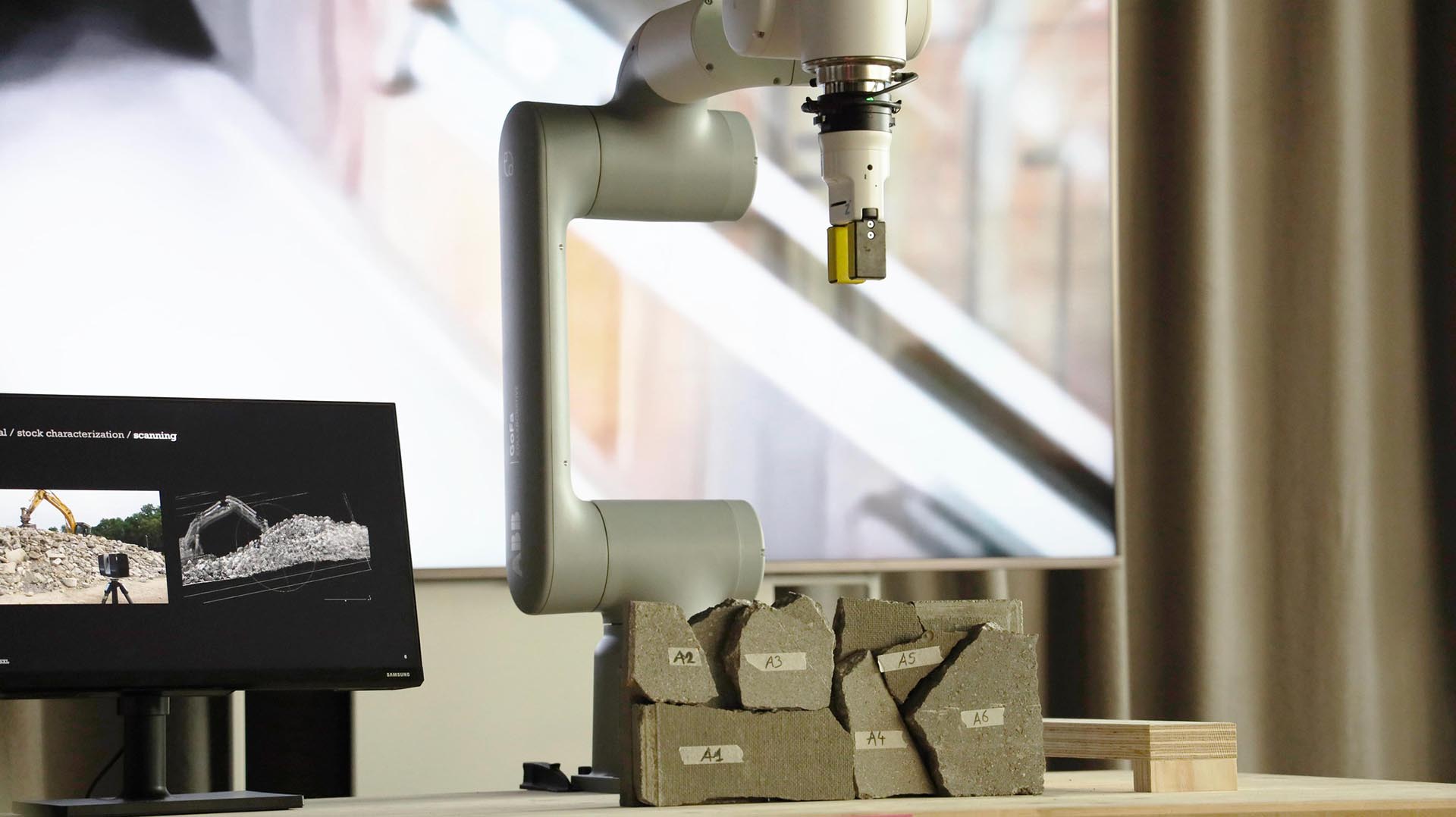
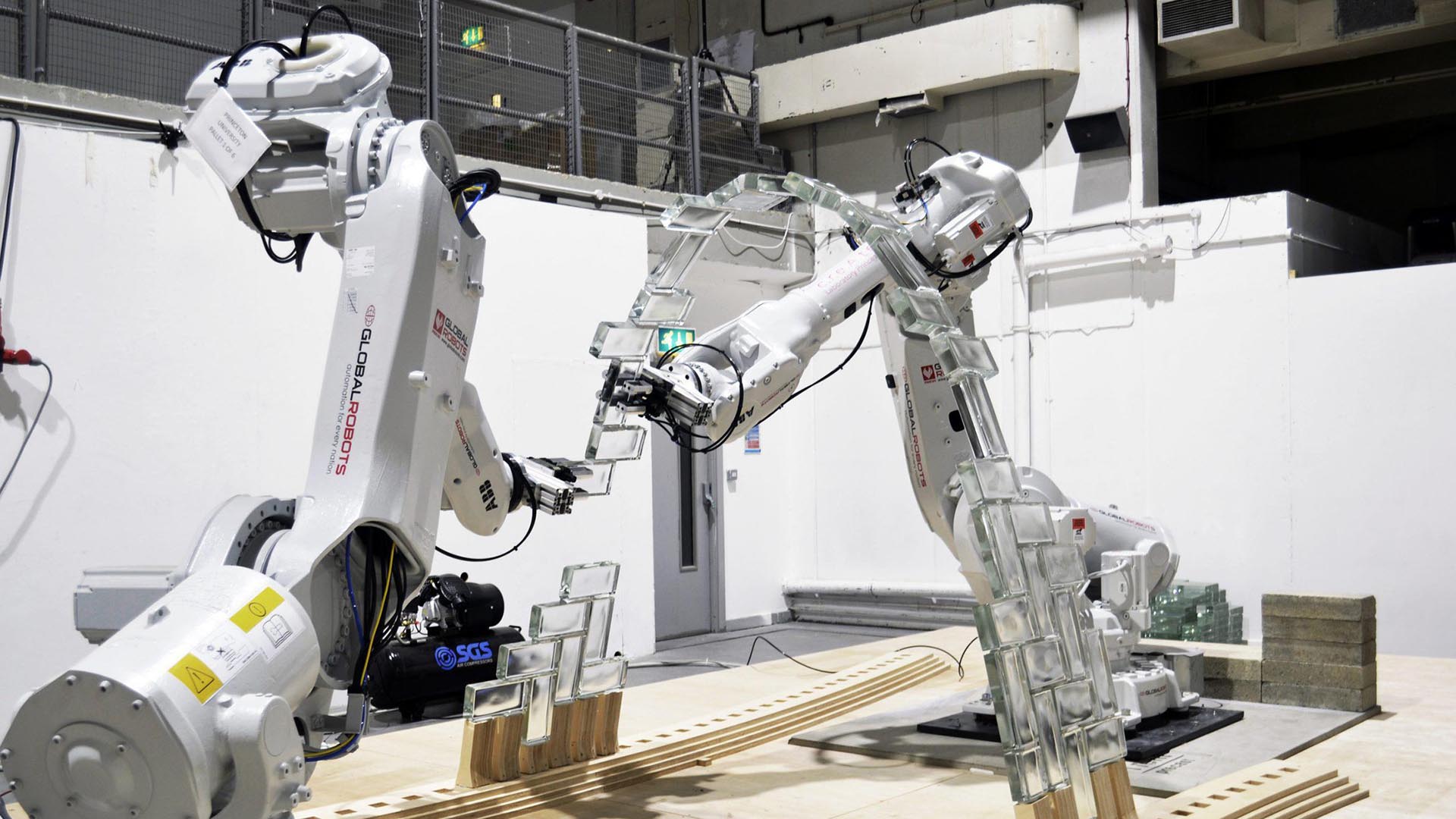
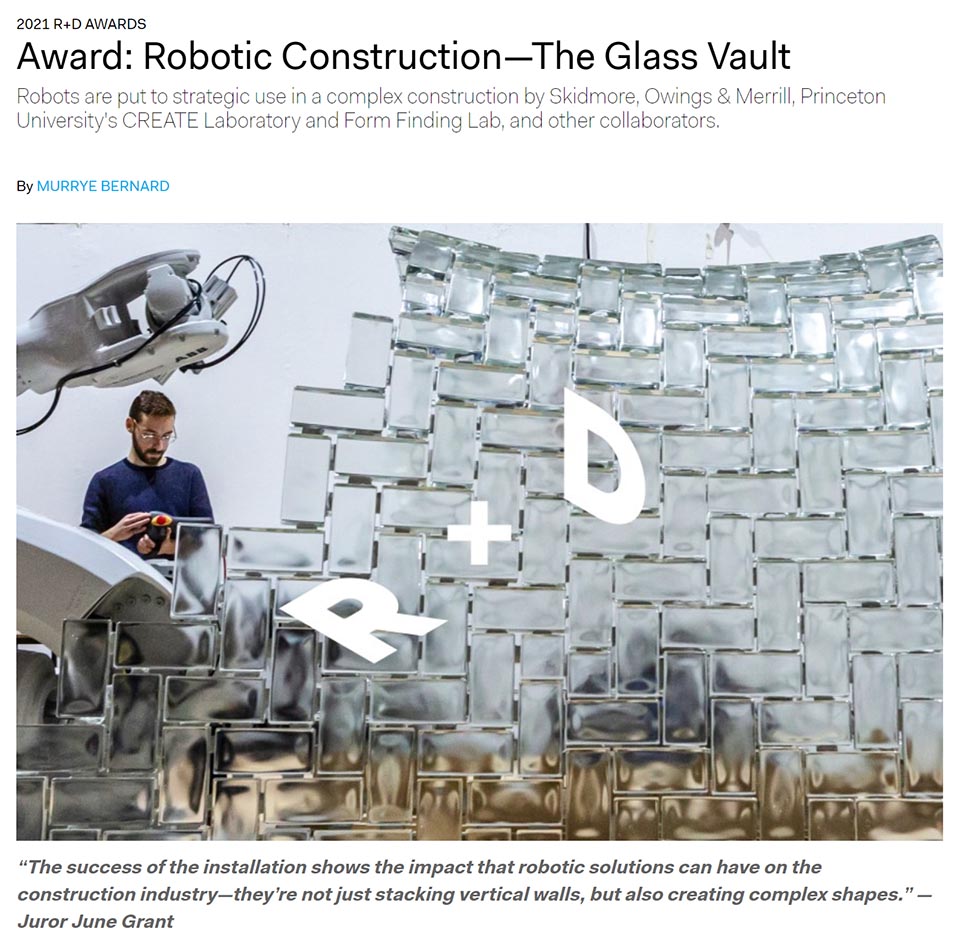
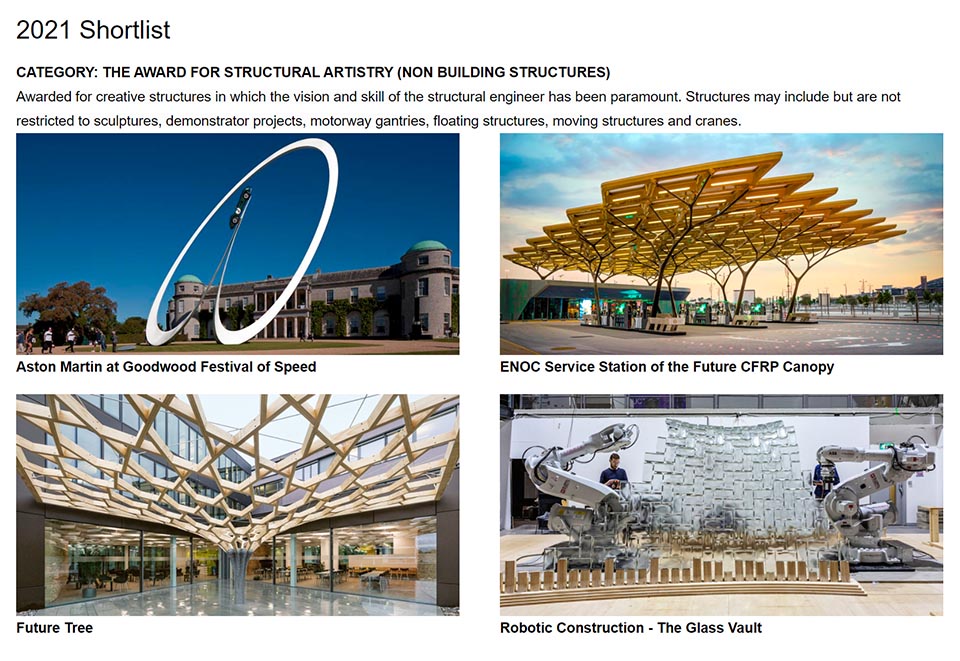
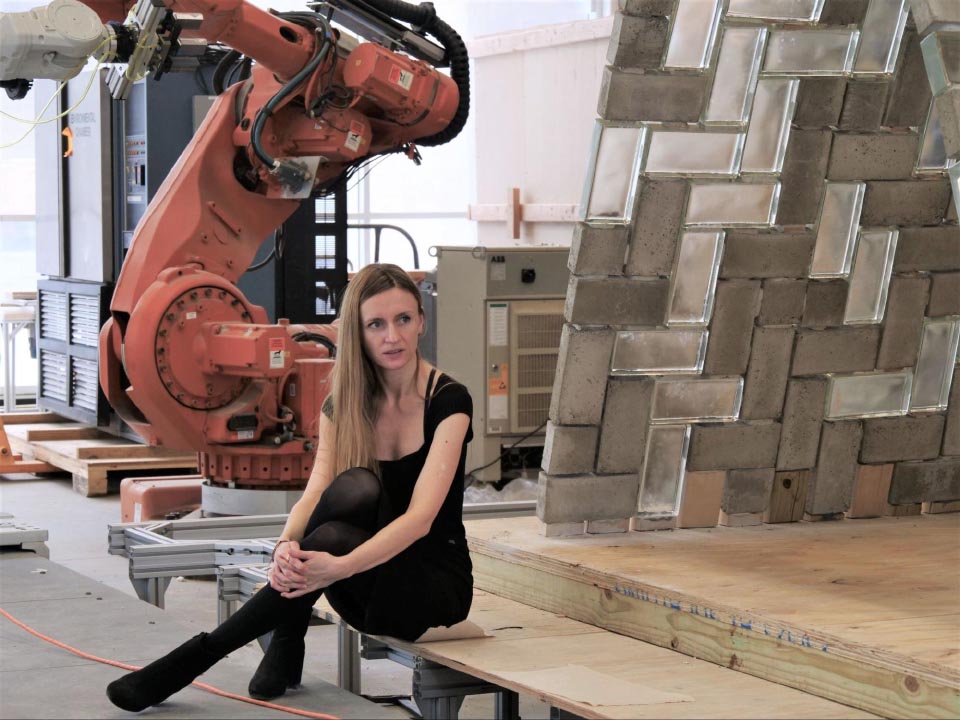
Social Signals - an interactive media installation that guides pedestrians through public space. Image credit: Mathias BernhardLightVault – project in collaboration with Skidmore Owings & Merrill and Form Finding Lab Princeton, (with support of Glass and Transparency Research Group at TU Delft, Universidad de Alcalá, the Timbrel Vault Workshop, Global Robots, and Poesia Glass). Image credit: Shenhan ZhuBamX – project in collaboration with GCM, ITKE University of Stuttgart, and Alison Martin. Image credit: Ying ChenARC574 Student Project – Catherine Ahn, Piao Liu, and Lisa Ramsburg.Social Signals - an interactive media installation that guides pedestrians through public space. Image credit: Mathias BernhardLightVault – project in collaboration with Skidmore Owings & Merrill and Form Finding Lab Princeton, (with support of Glass and Transparency Research Group at TU Delft, Universidad de Alcalá, the Timbrel Vault Workshop, Global Robots, and Poesia Glass). Image credit: Shenhan ZhuARC574 Student Project – Catherine Ahn, Piao Liu, and Lisa Ramsburg.LightVault – project in collaboration with Skidmore Owings & Merrill and Form Finding Lab Princeton, (with support of Glass and Transparency Research Group at TU Delft, Universidad de Alcalá, the Timbrel Vault Workshop, Global Robots, and Poesia Glass). Image credit: Shenhan ZhuARC574 Student Project – Melissa Barstow and Jonah Coe Scharff.LightVault – project in collaboration with Skidmore Owings & Merrill and Form Finding Lab Princeton, (with support of Glass and Transparency Research Group at TU Delft, Universidad de Alcalá, the Timbrel Vault Workshop, Global Robots, and Poesia Glass). Image credit: Isla Han and Edvard Bruun.LightVault – project in collaboration with Skidmore Owings & Merrill and Form Finding Lab Princeton, (with support of Glass and Transparency Research Group at TU Delft, Universidad de Alcalá, the Timbrel Vault Workshop, Global Robots, and Poesia Glass). Image credit: Isla Han and Edvard Bruun.LightVault – project in collaboration with Skidmore Owings & Merrill and Form Finding Lab Princeton, (with support of Glass and Transparency Research Group at TU Delft, Universidad de Alcalá, the Timbrel Vault Workshop, Global Robots, and Poesia Glass). Image credits: Maciej Grzeskowiak.
About
The Lab for Creative Computation (CRCL) is acting at the interface of design, digital technologies and construction.
We explore new construction modes that combine robotics with human interventions and digital media, in pursuit of more creative solutions to contemporary design and construction challenges.
Showcasing scientific research and the rigour that it requires. With a playful and accessible approach to technical topics, such as programming and robotics, CRCL strives to break down the barriers for novices to enter the field.
Emphasizing and supporting the significant contributions of women in technology, as well as collaboration, open data, and open science, CRCL seeks to redefine innovation: away from conventional mentalities, and towards one that embraces collaboration, building up on current knowledge.
It is truly experimental, including the acknowledging and embracing the failures that inevitably accompany experimentation.
News
The proceedings from ACADIA 2021 'Realignments: Toward Critical Computation' have been published and are available for free download or purchase in print.
📚 📥 📚
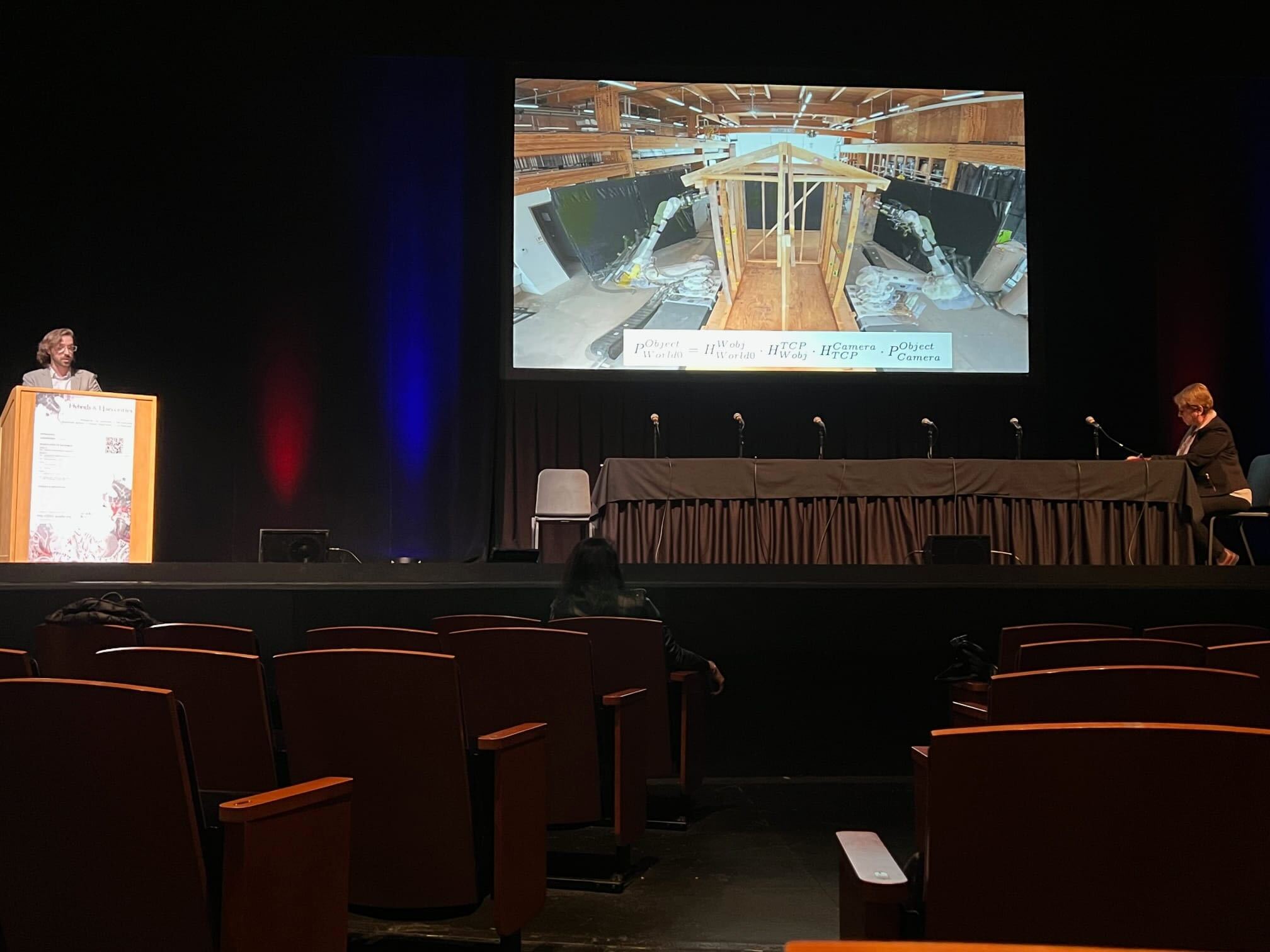
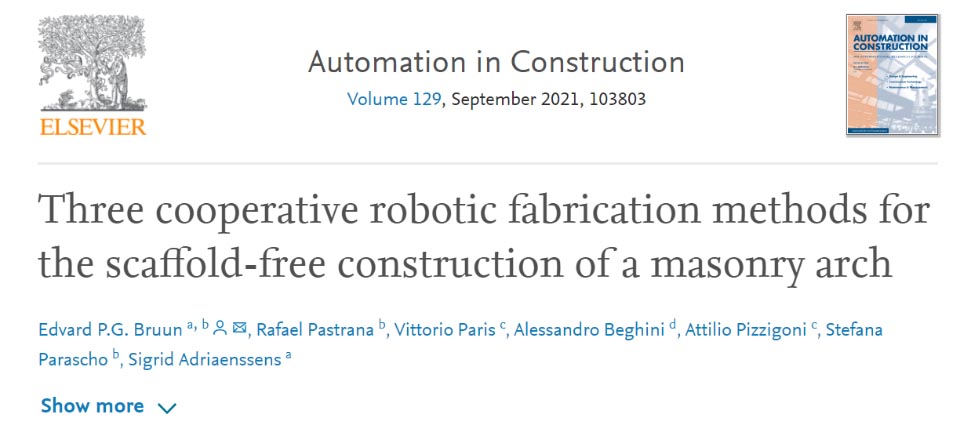
Congratulations to CRCL external advisee Edvard Bruun, who presented research on robotic dis- and reassembly of timber structures at ACADIA 2022.
🦾 🎤 🏠
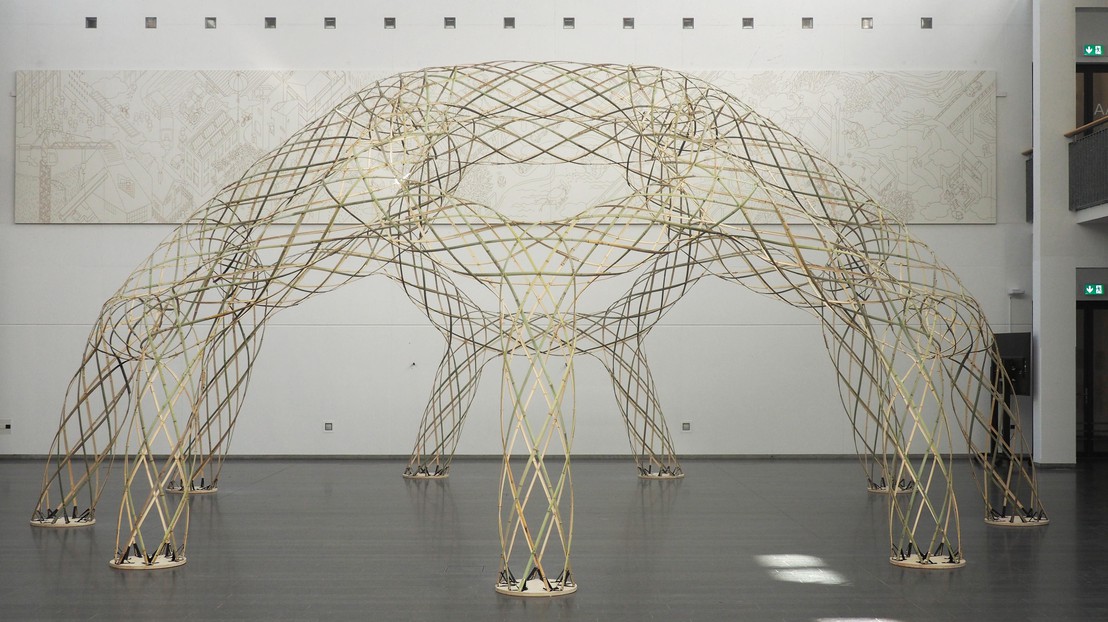
In collaboration with GCM, ITKE and an independent artist, the CRCL unveils a lightweight bamboo structure, BamX, at the heart of the Architecture faculty building.
🕸 🎍 🕸
The LightVault was awarded the Architect Magazine R+D award! Congrats to Isla Han, Edvard Bruun and Stefana Parascho for making this unique collaborative project happen.
🏆 💎 🏆
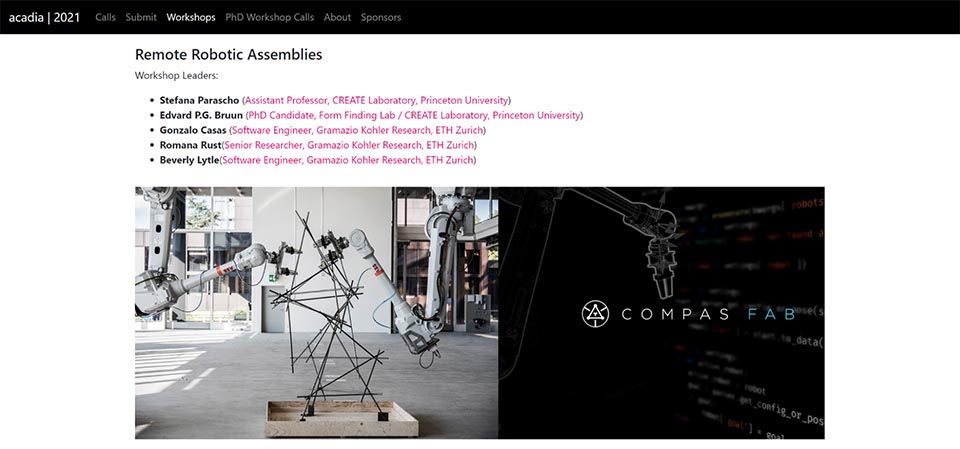
We are teaching a workshop at this year’s ACADIA conference together with Gramazio Kohler Research, ETH Zurich: Controlling robots remotely through COMPAS FAB. Join us by registering here!! 🤖 👩 💻
“ChatGPT, please write a funny short bio with emojis of a young phd researcher interested in the duality of architecture and structural engineering, of material properties and structural form, of vernacular crafts and scientific research, of construction processes and available technologies, and playing with all kind of tools, from bespoke analog jigs to robotics arms and cranes, desperately trying to discover novel architectural tectonics and structural typologies from reclaimed materials. Thank you!”
Jingwen Wang
📸 Eric Duong
Jingwen is a Ph.D. student at the CRCL. She is trained as a structural engineer and holds a B.Eng degree from HKUST and a M.Eng degree from MIT, both in Civil and Environmental engineering. After graduation, she worked in the New York office of Skidmore, Owings and Merrill for three years as a structural engineer, where she contributed to 15 projects worldwide. Notable projects she has worked on include Kempegowda International Airport Terminal II, MIT – Stephen A. Schwarzman College of Computing, NYC Penn Station Entrance Canopy.
In 2021, she decided to pursue her interest in fabrication-related research. She came to Europe and did a Master of Advanced Studies in Architecture and Digital Fabrication at ETH Zurich. She still considers herself as a structural engineer at heart, but also loves design, robotics and architecture.
In her free time, she likes walking around the city, taking photographs and watching films.
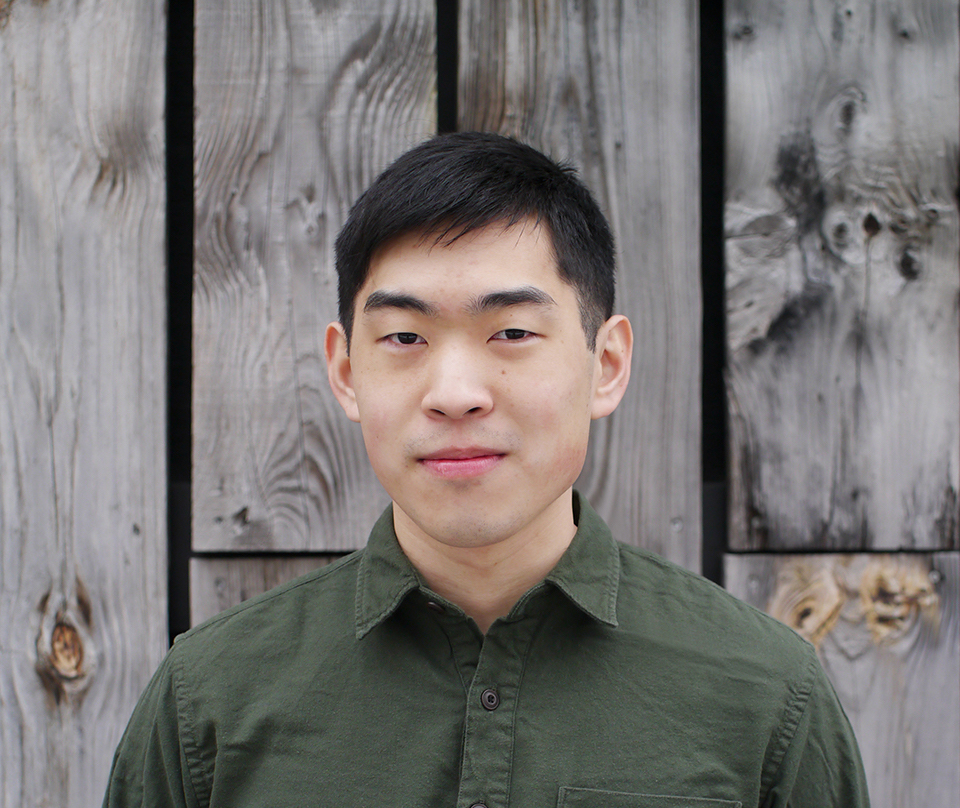
Eric Duong
📸 Ian Ting
Eric is a scientific assistant at CRCL working on human interfaces and interactive installations. He studied architecture and computer science at the University of Virginia, where he discovered creative coding through Processing. 🖌 Today he bounces between visual toolkits, computer vision libraries, and robotics toward building spatial experiences and experimental applications. 🚧 Because of the unhealthy amount of time he spends staring at a monitor, he enjoys backpacking, cycling, and climbing outside of his time at the lab. 🏕
Eleni Skevaki
Eleni Skevaki is a doctoral researcher at the Lab for Creative Computation (CRCL) of EPFL Lausanne and associated with the National Centre for Competence in Research – Digital Fabrication, where she explores human-robot interaction within heterogeneous construction teams. 🤖 She holds an integrated Master in Architectural Engineering from the National Technical University of Athens and an MAS in Architecture and Digital Fabrication from ETH Zurich.🎓 Her working shoes are still dirty from spending too much time next to a 3D concrete printing robot. 🥾
Prof. Dr. Stefana Parascho
📸 Shenhan Zhu
Stefana Parascho is the Director of the Lab for Creative Computation (CRCL).
Stefana studied in Stuttgart and received her Doctorate degree from ETH Zurich, Gramazio Kohler Research. She is an Assistant Professor at EPFL and makes sure that the robots and students in the lab don’t get bored. 💃 🤖 🕺 When she’s not in the lab, she is probably in a dance class or traveling (except during pandemics). She fights to see more recognition for women in STEM fields and hopes to never get stuck on a fixed research idea.
Bio
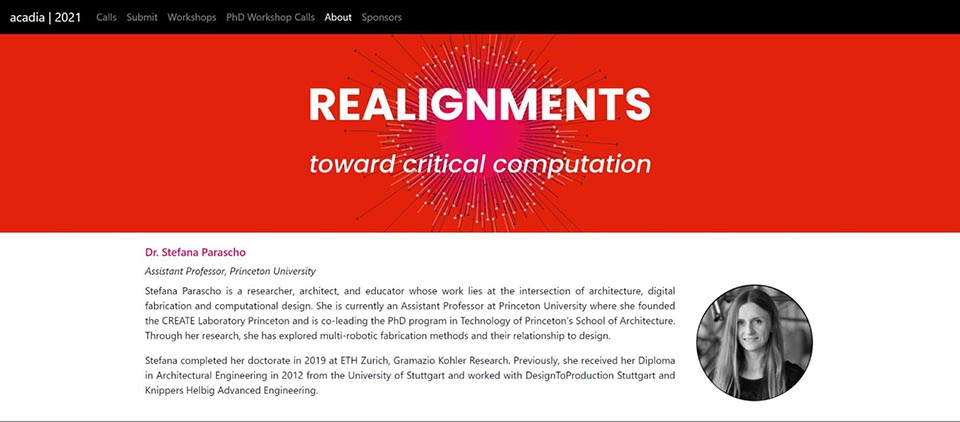
Stefana Parascho is a researcher, architect, and educator whose work lies at the intersection of architecture, digital fabrication and computational design. She is currently an Assistant Professor at EPFL where she founded the Lab for Creative Computation.
Through her research, she has explored multi-robotic fabrication methods and their relationship to architectural design. Stefana investigated computational design techniques ranging from agent-based systems to sequential design and optimisation methods. Her goal is to strengthen the connection between design, structure, and fabrication, and boost the interdisciplinary nature of architecture through the development of accessible computational tools and robotic fabrication methods.
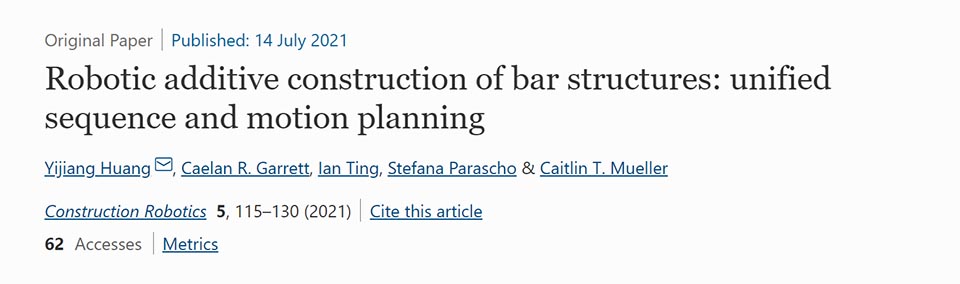
Before joining EPFL, Stefana was an Assistant Professor at Princeton University, where she led the CREATE Lab Princeton. She completed her doctorate in 2019 at ETH Zurich, Gramazio Kohler Research. Previously, she received her Diploma in Architectural Engineering from the University of Stuttgart and worked with DesignToProduction Stuttgart and Knippers Helbig Advanced Engineering.
Ian Ting
Ian is a designer with a background in architecture, history, and fabrication. His ongoing research explores heterogenous multi-robotic processes and human machine interaction towards creative applications. He is a graduate of the University of Michigan and Princeton University. His projects, ranging from video game studies to archival research, have been supported by various interdisciplinary initiatives. At the end of the day, he likes to read stories and look at pictures.